Exotic Pets: Fascination, Responsibility, and the Unusual Companions We Choose
In a world where dogs and cats dominate as household companions, a growing number of people are turning toward something more unusual—exotic pets. From colorful reptiles to rare birds and even miniature mammals, exotic pets offer a unique kind of companionship that blends curiosity, beauty, and challenge.
But while these animals can be captivating, they also come with responsibilities that go far beyond traditional pet care.
What Are Exotic Pets?
Exotic pets are animals that are not commonly domesticated or traditionally kept as pets. Unlike dogs or cats, these animals often retain many of their wild instincts and require specialized care.
Common examples include:
- Reptiles like snakes and lizards
- Birds such as parrots and macaws
- Small mammals like ferrets or sugar gliders
- Aquatic species like tropical fish
Many of these animals come from diverse ecosystems, including rainforests, deserts, and oceans, making their care more complex.
The Appeal of Exotic Pets
Why do people choose exotic pets?
1. Uniqueness
Exotic pets stand out. Owning a rare or unusual animal can be exciting and intriguing.
2. Aesthetic Beauty
Many exotic animals are visually stunning, with vibrant colors and fascinating patterns.
3. Educational Value
Caring for exotic pets can deepen one’s understanding of biology, ecosystems, and animal behavior—fields connected to Zoology.
Popular Types of Exotic Pets
Reptiles
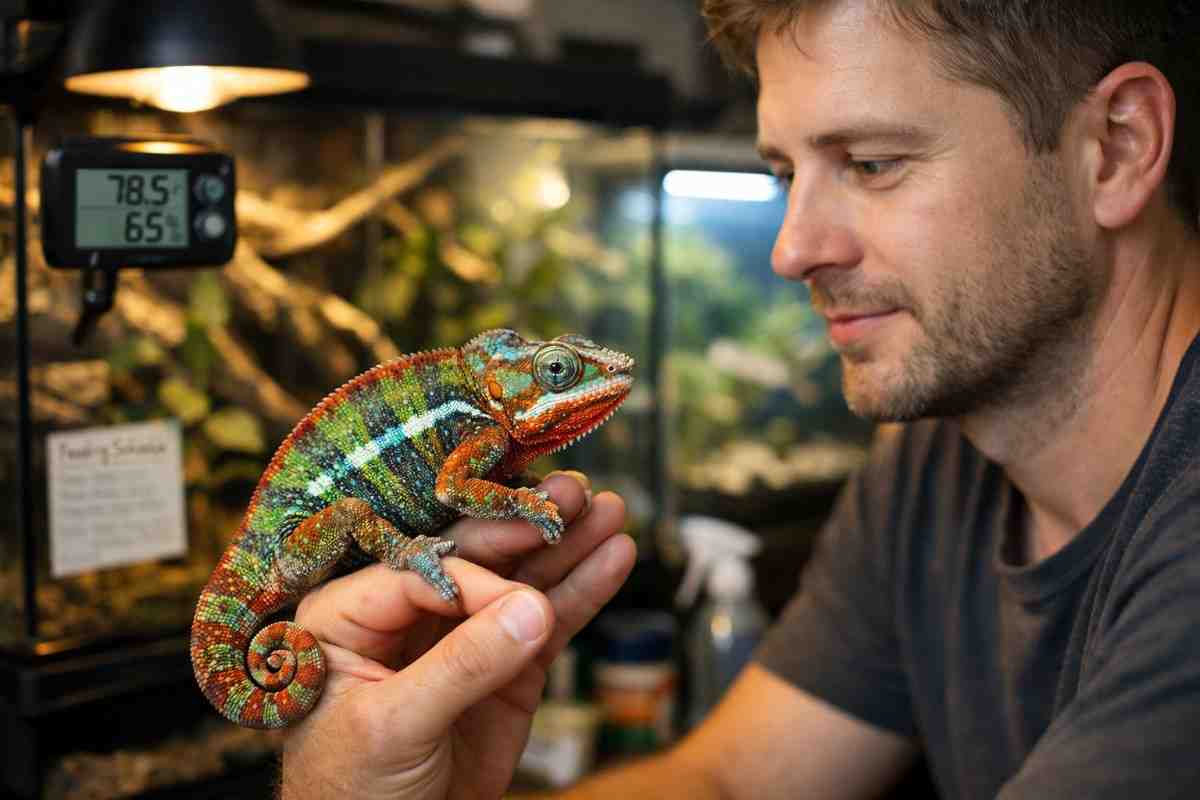
Snakes, geckos, and turtles are among the most common exotic pets. They often require controlled temperatures, humidity, and specific diets.
Birds
Exotic birds like parrots are highly intelligent and social but demand attention and mental stimulation.
Small Mammals
Animals like hedgehogs and sugar gliders are cute and compact but may have nocturnal habits and specialized dietary needs.
Aquatic Life
Aquariums filled with tropical fish or even coral ecosystems can be mesmerizing, though they require careful maintenance.
Challenges and Responsibilities
Owning an exotic pet is not just about novelty—it comes with serious commitments.
Specialized Care
Exotic pets often need:
- Specific diets
- Controlled environments (temperature, lighting, humidity)
- Veterinary care from specialists
Legal Regulations
In many regions, laws govern the ownership of exotic animals. Some species are restricted or require permits due to safety or environmental concerns.
Ethical Concerns
The exotic pet trade raises important ethical questions, including:
- Impact on wild populations
- Animal welfare during capture and transport
- Conservation issues
Organizations like World Wildlife Fund actively work to protect wildlife and discourage harmful practices.
Health and Safety Considerations
Exotic pets can pose risks if not handled properly:
- Some reptiles may carry bacteria like salmonella
- Certain animals can be aggressive or unpredictable
- Improper care can lead to stress and illness in the animal
Understanding these risks is essential for both the owner and the pet.
The Importance of Research
Before choosing an exotic pet, thorough research is crucial. Potential owners should consider:
- The animal’s lifespan (some live decades)
- Space and habitat requirements
- Dietary needs
- Long-term commitment
Consulting experts and reliable sources can help ensure responsible ownership.
Exotic Pets and Conservation
Interestingly, responsible exotic pet ownership can sometimes support conservation efforts, especially through captive breeding programs. However, this must be done ethically and legally.
The field of Conservation Biology plays a key role in balancing human interest with environmental protection.
Are Exotic Pets Right for You?
Exotic pets are not for everyone. They require:
- Time and dedication
- Financial investment
- A genuine passion for animal care
For some, visiting zoos, wildlife sanctuaries, or volunteering with animal organizations may be a better way to appreciate exotic species without the responsibility of ownership.
Final Thoughts
Exotic pets offer a window into the diversity and wonder of the animal kingdom. They can be fascinating, beautiful, and deeply rewarding—but only when cared for responsibly.
Choosing to own an exotic pet is not just a personal decision; it’s an ethical commitment. With the right knowledge, preparation, and respect for nature, these unique companions can enrich our lives while reminding us of the incredible world beyond the familiar.